The Red Sea 6
Six Events That Shaped The Region The Previous Week
A weekly intelligence synthesis from our ‘Big Red’ model —with an all-star human panel in the wings…
As you may have gleaned from our posts so far, Red Sea Futures is a new kind of strategic consulting firm, deeply rooted in Red Sea matters.
We are a consortium of over 230 senior professionals, all specialized in some aspect of Red Sea politics, business, environment, or related technical field.
One of the challenges in covering the Red Sea is that there is so much happening across so many domains, simultaneously: shipping disruptions, port infrastructure deals, naval coalitions forming, diplomatic realignments, and security developments—all interconnected, all moving fast.
We built an AI model to help. Built on multiple streams of verified (human, proprietary and open) sources, its knowledge of the Red Sea is distinctively deeper and more precise than what comes from generalist large-language models. We call it Big Red.
For our Substack readers, each week Big Red will processes maritime tracking data, diplomatic cables and readouts, regional media in Arabic and other languages, commercial intelligence, and security reporting to suggest and surface 6 developments with greatest potential to impact regional stability, trade, and investment, and the environment.
And we, the humans in the loop, will critique its findings and judgements, to help our readers determine how well the model is doing: where it’s right, where it has a ways to go, and where it’s just plain wrong — and why.
Here, you’ll see AI synthesis doing what it does best—pattern recognition at scale, with quantitative anchors and cross-domain connections that might otherwise be missed.
But as we all know by now, data isn’t created equal, and synthesis isn’t analysis.
In future editions, you’ll see our panel of 230+ regional specialists—diplomats, security analysts, shipping executives, country experts—respond to what the model surfaces. They’ll challenge its framing, fill interpretation gaps, and add context that doesn’t exist in any database. And we’ll bring in the best comments, critiques and enhancements from our readership.
Here’s the model’s first crack at this, for the week of January 5-12, 2026:
#1. Saudi-Turkey-Egypt Naval Task Force Formation
Key Events:
· First-ever Turkey-Saudi naval cooperation meeting convened at Ankara Naval Forces Command (January 7, 2026)
· Saudi FM Prince Faisal bin Farhan met Egyptian President al-Sisi in Cairo to discuss Red Sea security (January 5, 2026)
· Emerging coalition includes Saudi Arabia, Turkey, Egypt, Eritrea, Sudan, and Somalia—representing shift from Western-led Operation Prosperity Guardian
Strategic Implications:
The formation of this regional naval coalition represents the most significant institutional development in Red Sea security since December 2023. Regional actors are building autonomous security capabilities independent of Western frameworks, creating a parallel governance structure designed to exclude Ethiopian participation while containing Israeli penetration into the Horn of Africa strategic landscape.
Key Data: Coalition Members: 6+ states | Egyptian Forces in Somalia: ~10,000 | AUSSOM Authorized: 12,626 personnel
#2. Resumption of Commercial Shipping
Key Events:
· Ocean Network Express (ONE) launched Red-Sea China Service with M/V SSF Dream, ETA Shanghai January 15, 2026
· CMA CGM announced INDAMEX and MEDEX service resumption through Suez starting January 15-18, 2026
· Maersk completed trial transits including US-flagged Maersk Denver (January 11-12, 2026); MECL service resumed January 15
· Despite carrier resumptions, Suez Canal traffic remained 60% below January 2023 baseline (BIMCO data)
Strategic Implications:
The extended Cape routing reduces effective fleet utilization by 15-20% as vessels require additional deployments to maintain service frequencies, creating capital efficiency losses particularly acute given global container fleet expansion to approximately 30-32 million TEU with 9.6 million TEU orderbook representing over 30% of active capacity. Container vessels face maximum exposure to renewed attacks due to high-value cargo, predictable routing, and prominent corporate branding.
Key Data: Suez Traffic: -60% vs baseline | Container Decline: -86% (Q4 vs Q4) | Cape-Routed Ships: 354 vessels (4.65M TEU) | Insurance Premium: 0.2% hull value
#3. Aftermath of Israel’s Somaliland Recognition
Key Events:
· Israeli FM Gideon Sa’ar conducted first senior Israeli official visit to Hargeisa (January 6, 2026) following December 26, 2025 recognition
· AU Peace and Security Council convened ministerial emergency session calling for immediate revocation (January 6, 2026)
· 22 countries issued joint statement expressing “unequivocal rejection” including Qatar, Jordan, Egypt, Iran
· Somaliland FM official mentioned discussions on potential Israeli military base (subsequently denied)
Strategic Implications:
Israel’s recognition represents a strategic gambit to establish Red Sea foothold amid deteriorating relations with Turkey and Egypt, leveraging Somaliland’s thirty-year quest for international legitimacy to secure maritime access independent of Suez Canal vulnerabilities. Ethiopian silence reflects strategic paralysis between contradictory commitments—the Ankara Declaration affirming Somalia’s territorial integrity while the Somaliland MOU promises recognition in exchange for fifty-year lease of nineteen kilometers of coastline.
Key Data: Countries Condemning: 22+ | Coastline Lease (MOU): 19 km / 50 years | Berbera Investment: $442M committed
#4. Egypt’s Port Encirclement Strategy
[Infrastructure/Investment]
Key Events:
· Egyptian Deputy PM El-Wazir signed three cooperation agreements with Djibouti: multipurpose container terminal, regional logistics hub, and 23MW solar project (December 27, 2025)
· Egypt agreed to develop strategic seaport at Assab, Eritrea with upgraded capacity and military berths
· Red Sea Gateway Terminal committed $180M for Djibouti’s Port of Tadjourah under 30-year concession
Strategic Implications:
Egyptian port development agreements constitute strategic encirclement of landlocked Ethiopia, transforming infrastructure competition into military positioning that denies Ethiopian access to historically Ethiopian-controlled Assab port while simultaneously strengthening Egyptian influence over Djibouti facilities upon which Ethiopia depends for its trade lifeline. 95% of Ethiopian foreign trade transits Djibouti, representing $1.5-2 billion in annual port fees.
Key Data: Ethiopian Trade via Djibouti: 95% | Annual Port Fees: $1.5-2B | Tadjourah Investment: $180M (30-year) | Solar Project: 100MW
#5. Houthi Operational Pause & UN Resolution 2812
Key Events:
· Zero Houthi attacks on international commercial shipping during January 5-12, 2026; last confirmed attack: September 29, 2025 (M/V Minervagracht)
· UN Security Council adopted Resolution 2812 (January 14, 2026) extending monthly reporting until July 15, 2026; vote 13-0-2 (China, Russia abstaining)
· Houthi military alert elevated to highest level on January 13, 2026
· Southern Transitional Council announced dissolution (January 9, 2026) following territorial losses
Strategic Implications:
The strategic effectiveness of Houthi Red Sea operations during 2023-2025 is measurable not only in kinetic attack frequency but in durable disruption to maritime trade patterns that persists during operational pause. Ansar Allah’s documented arsenal includes surface-to-surface missiles with ranges between 400-2,500 kilometers, anti-ship ballistic missiles with 500 kg warheads, and cruise missiles with approximately 2,000 km range. Drone interception rate approximately 75% while missile interception rate only 16%.
Key Data: Days Attack-Free: 105+ | Total Attacks 2023-25: 130+ | Vessels Sunk: 4 | Missile Max Range: 2,500 km (Wa’id) | Iranian Weapons Seized (July 2025): 750+ tons
#6. Ethiopia-China Strategic Alignment
Key Events:
· Chinese FM Wang Yi visited Ethiopia January 7-9, 2026 (first stop on China’s 36th consecutive year of African FM visits); met PM Abiy Ahmed and FM Gedion Timothewos
· PM Abiy Ahmed visited Djibouti (January 11, 2026) touring Doraleh Port with senior delegation
· UAE-Ethiopia joint ministerial statement issued (January 6, 2026) reaffirming “comprehensive and strategic partnership”
· Ethiopia participated as observer in BRICS+ “Will for Peace 2026” naval exercise off South Africa (January 9-16)
Strategic Implications:
Wang Yi’s selection of Ethiopia as first destination signals Beijing’s strategic investment in preserving Ethiopian stability despite regional diplomatic isolation over Red Sea ambitions. China seeks to protect Belt and Road Initiative investments including the $4 billion Addis Ababa-Djibouti railway. Wang Yi characterized Ethiopia’s push for Red Sea access as ‘national necessity’—pairing diplomatic support with infrastructure project facilitation and BRICS integration advocacy.
Key Data: Ethiopia Trade via Djibouti: 95% | Addis-Djibouti Railway: $4B (753 km) | Chinese Loans as % Djibouti GDP: 77%
That’s the model’s read. Next week, our experts weigh in.
To learn more about Red Sea Futures and how we work with clients, visit redseafutures.com.
VISUAL DATA:
The following visualizations present key quantitative indicators derived from multi-source analysis:
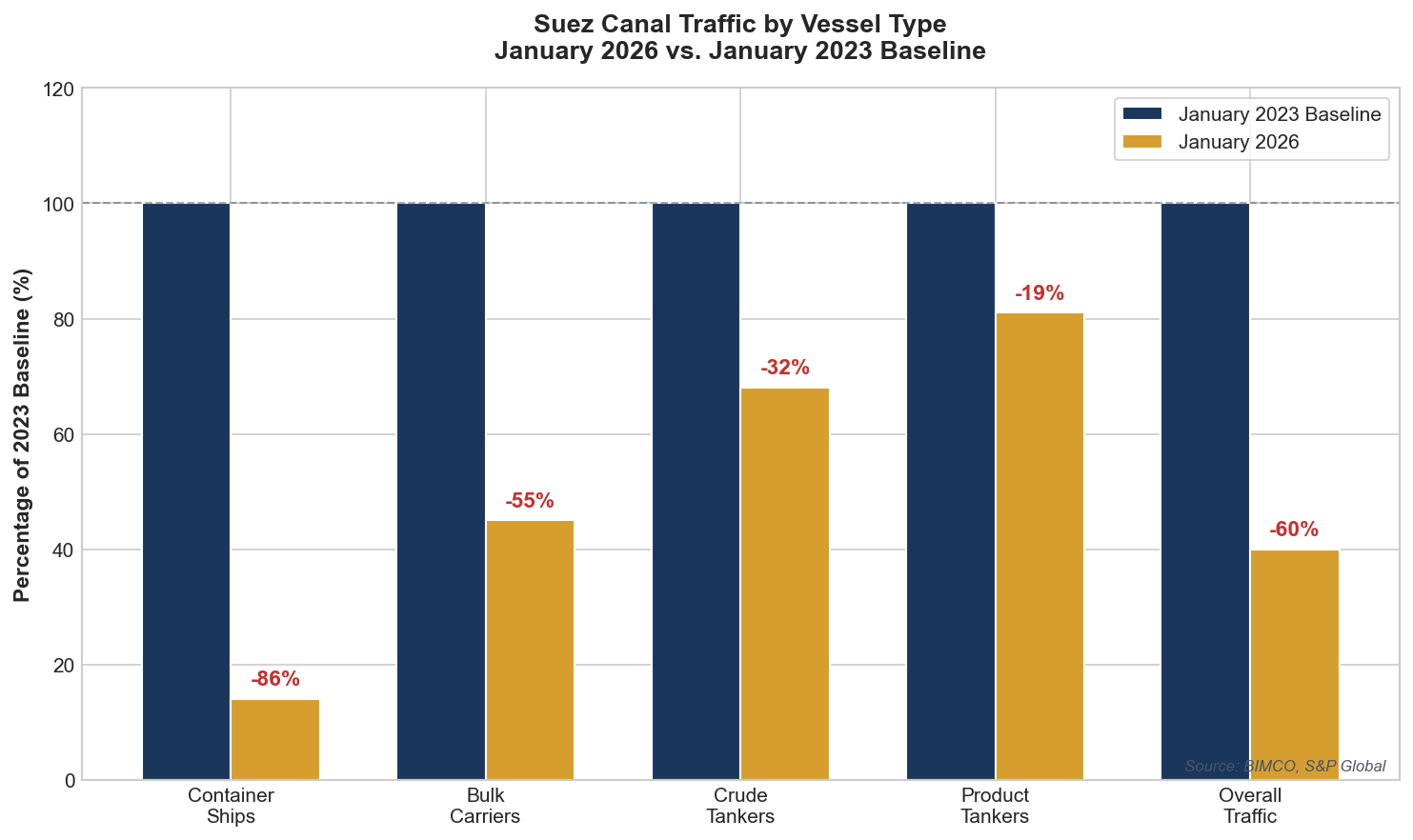
Figure 1: Suez Canal Traffic by Vessel Type
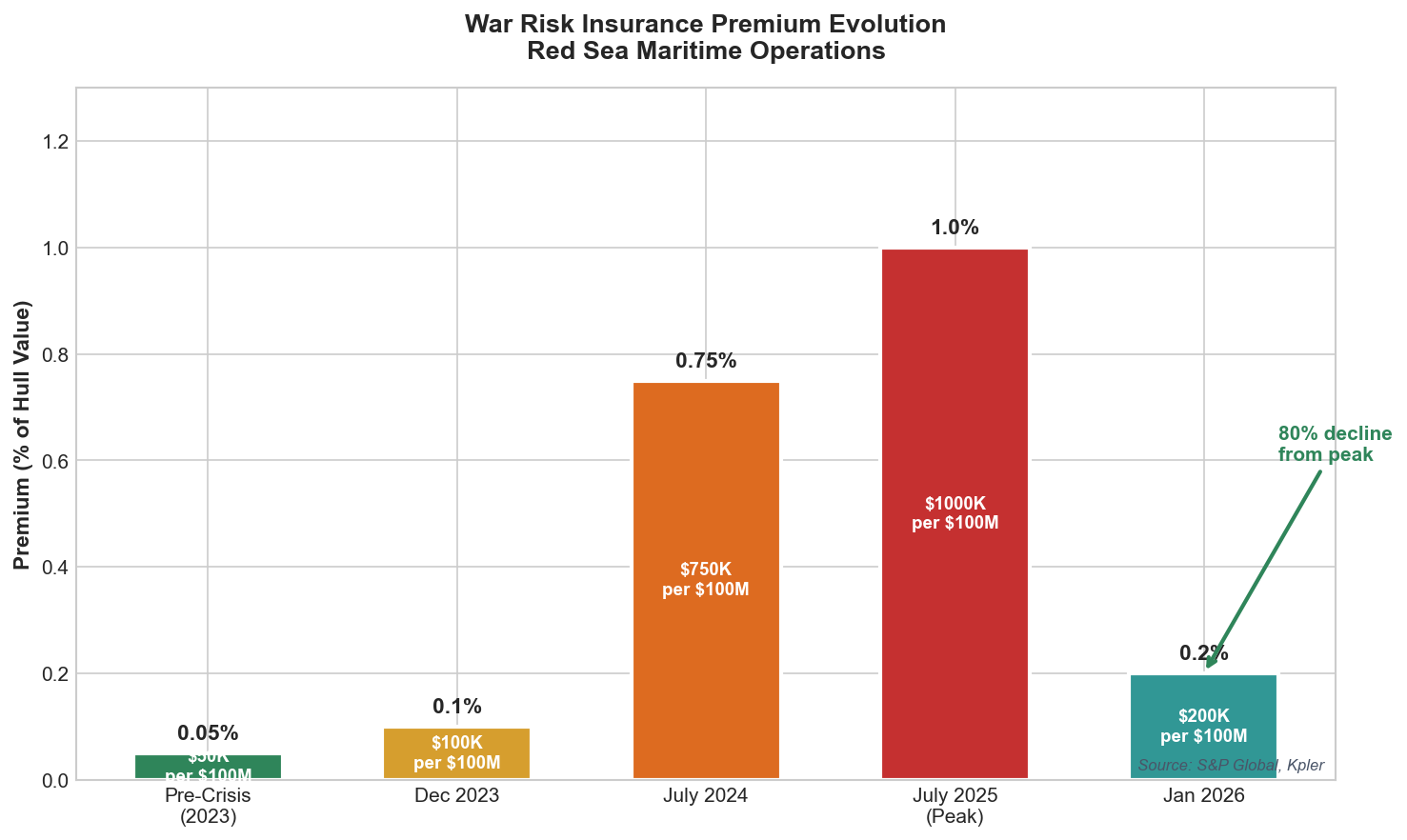
Figure 2: War Risk Insurance Premium Evolution
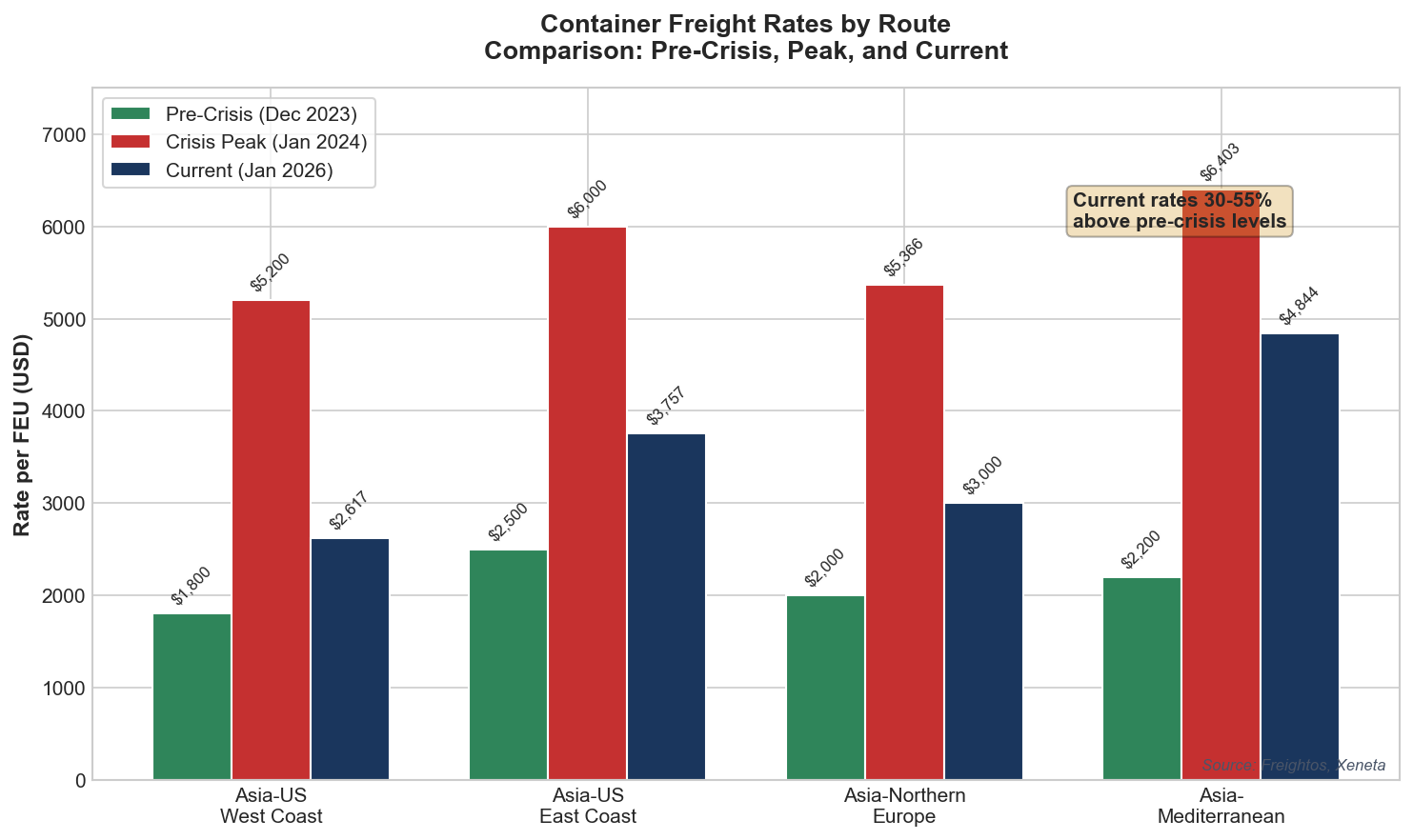
Figure 3: Container Freight Rates by Route
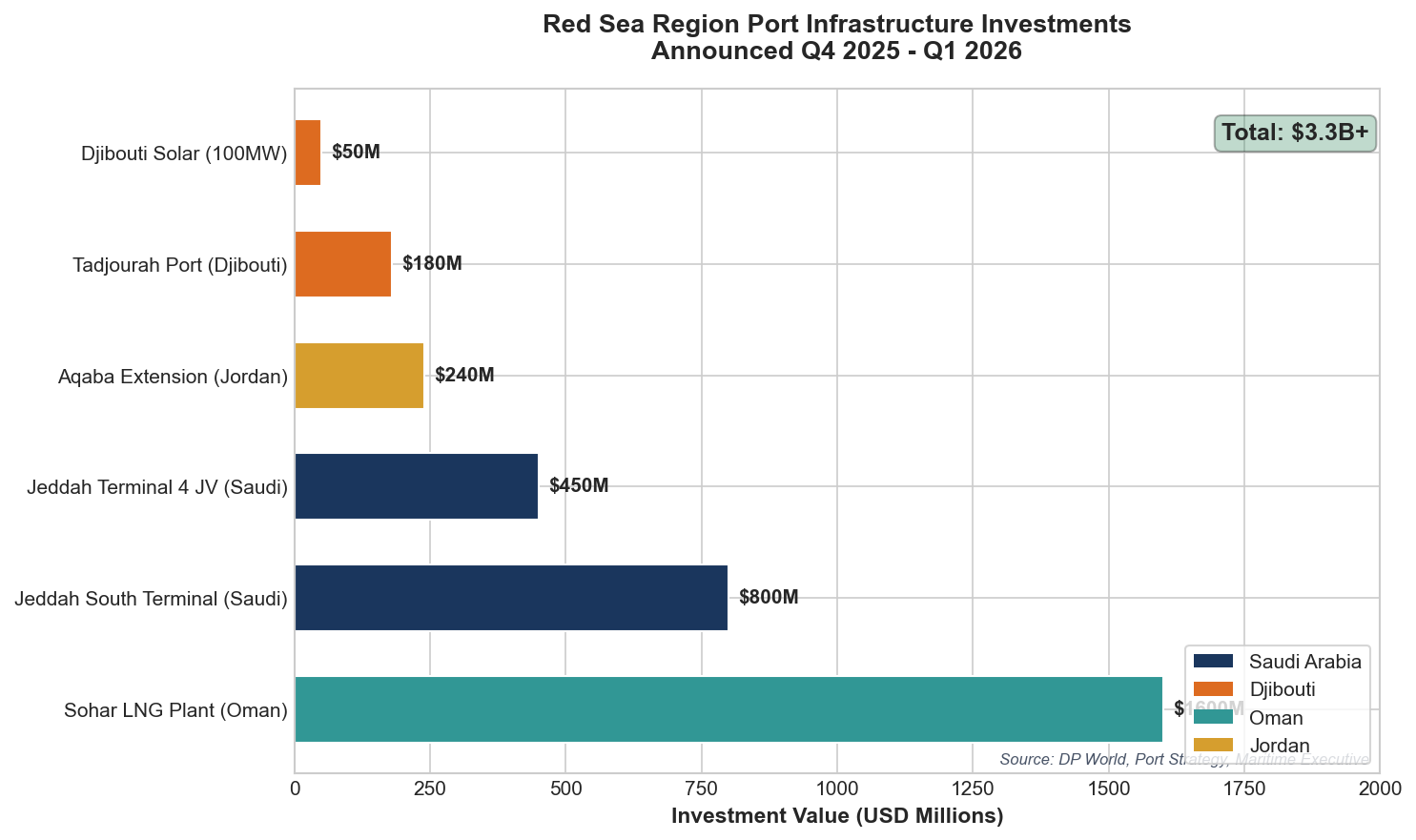
Figure 4: Regional Port Infrastructure Investments
Get the next issue by email.
Read/Subscribe on Substack →